How to Prevent Lost Patients and Revenue from After-Hours Calls in Your Clinic
For many healthcare providers, managing patient communications outside of regular office hours remains a significant challenge. Missed calls after hours can translate directly into lost patients, missed appointment opportunities, and decreased revenue. Ensuring that every patient inquiry is managed promptly—even when your clinic doors are closed—is essential for maintaining trust and operational efficiency.
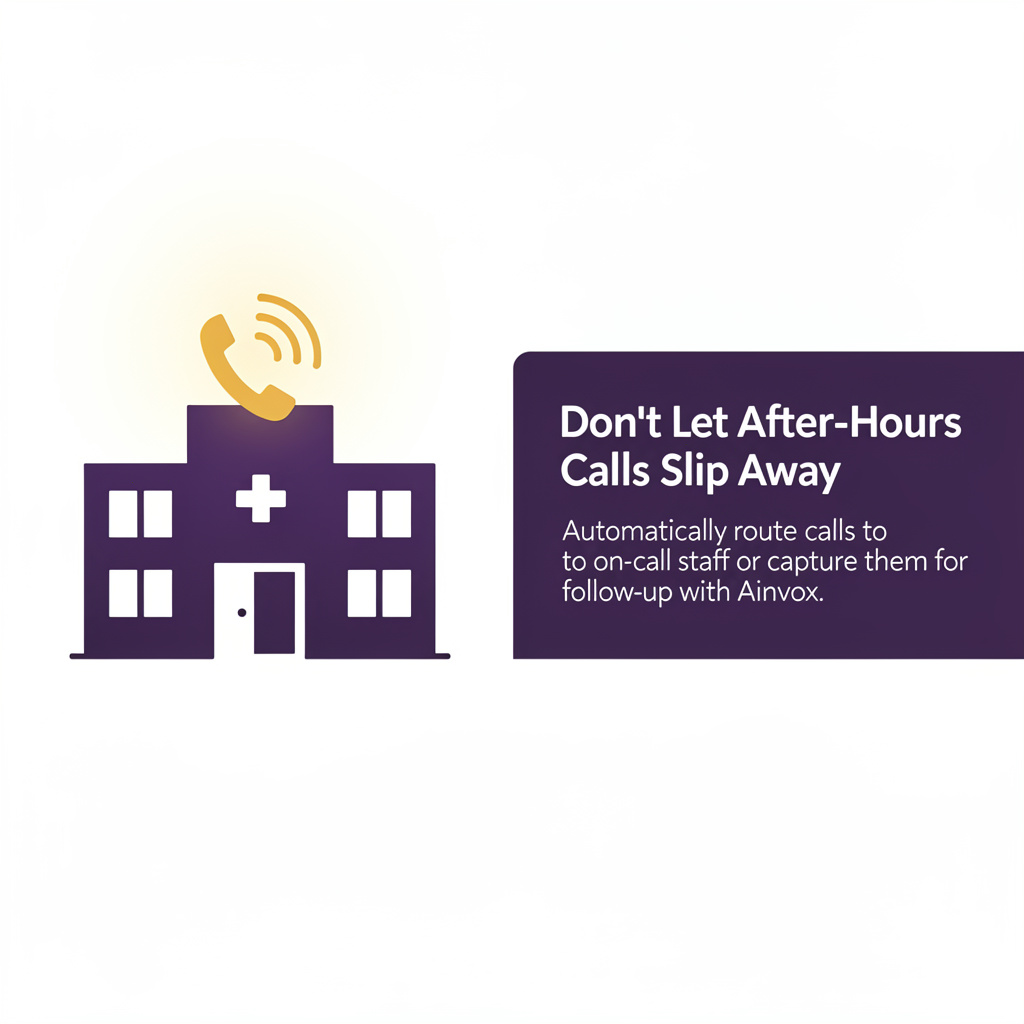
The Challenge Clinics Face with After-Hours Calls
Clinics frequently experience a surge of patient calls beyond standard business hours. These calls often involve appointment requests, urgent medical questions, or prescription refill inquiries. Unfortunately, traditional telephone systems are ill-equipped to handle these situations effectively. Typically, after-hours calls are either routed to voicemail or simply missed. This leads to several issues:
- Missed Care Opportunities: Patients cannot get timely advice or appointments, which may cause dissatisfaction or deterioration in their health.
- Revenue Loss: Missed appointment bookings and follow-ups mean lost income that could have been secured if calls were answered promptly.
- Patient Frustration: When patients are unable to reach the clinic after hours, their trust diminishes, potentially directing them to seek care elsewhere.
- Operational Inefficiency: Staff must play catch-up the following day, leading to cluttered schedules and added administrative burden.
Because healthcare is a service-driven industry, the inability to respond consistently outside of office hours can harm both patient relationships and overall clinic productivity.
Why Traditional Phone Systems Fall Short
Most clinics still rely on conventional phone systems that lack flexibility and intelligent call routing capabilities. Common shortcomings include:
- Simple Voicemail Routing: Calls go to voicemail without options for urgent callbacks or live support.
- No After-Hours Staff Integration: There is no way to connect callers to on-call personnel based on availability.
- Limited Follow-Up Mechanisms: Voicemail messages can be overlooked or delayed, causing critical inquiries to fall through the cracks.
These limitations result not only in unsatisfied patients but also add pressure on front-desk teams who must untangle the backlog each morning.
Smart Call Management: A Practical Solution
Addressing these problems requires a solution that intelligently manages after-hours communications by routing calls to available staff or capturing the details for timely follow-up. This is where modern cloud telephony platforms like Ainvox provide real value.
Ainvox’s system offers automated call routing that works according to your clinic’s specific schedule and staffing resources. It ensures that even outside of normal working hours, patient calls are handled professionally, promptly, and with empathy.
How Intelligent After-Hours Call Routing Works
- Dynamic On-Call Staff Connection: Calls received after hours are automatically forwarded to designated on-call nurses, doctors, or administrative personnel, depending on your clinic’s setup.
- Priority Call Capture: If no on-call staff is available, the system records a clear message with patient information and urgency levels to facilitate swift callbacks.
- Callback Scheduling: Patients can request a callback at convenient times, helping clinics organize follow-ups efficiently without manual tracking.
- Centralized Communication Dashboard: Administrators can monitor call activity and response times, ensuring no patient inquiry remains unattended.
By automating these workflows, clinics reduce missed connections while lightening staff workload.
Real-Life Scenarios Illustrating the Benefits
Consider these practical examples to see how intelligent after-hours call handling impacts outcomes:
- Scenario 1: A parent calls at 9 PM concerned about their child’s fever. Instead of reaching voicemail, the call routes instantly to an on-call nurse who provides advice and schedules an early morning consult.
- Scenario 2: A chronic illness patient needs a prescription refill urgently. The system captures the request via voicemail, flags it as high priority, and a staff member processes the refill before the next business day.
- Scenario 3: Multiple patients call after hours requesting appointments. Automatic call distribution ensures calls are shared evenly among available after-hours staff, maximizing booking rates.
Each scenario demonstrates improved patient experience and operational efficiency without increasing staffing costs during off-hours.
Industries Where After-Hours Call Management Matters Most
While this discussion centers on clinics, other healthcare settings also benefit significantly:
- Urgent Care Centers: Need to triage and respond immediately to sudden symptoms.
- Specialty Practices: Managing appointments and patient inquiries for specialists like cardiologists or oncologists.
- Dental Offices: Handling emergency dental pain or trauma outside normal hours.
- Mental Health Services: Providing after-hours support or crisis navigation for patients.
- Home Healthcare Providers: Responding to client needs or emergencies around the clock.
Any healthcare provider aiming to enhance patient engagement, reduce no-shows, and optimize resource utilization will find intelligent after-hours call management indispensable.
Actionable Strategies for Clinics to Improve After-Hours Patient Support
Implementing a reliable after-hours call strategy involves several steps beyond just acquiring technology:
- Assess Current Call Patterns: Identify peak after-hours call times and common types of inquiries.
- Design a Clear On-Call Schedule: Ensure staff rotation is fair and coverage aligns with call volume.
- Train Staff Thoroughly: Prepare on-call personnel for diverse scenarios including triage, scheduling, and emergency instructions.
- Communicate Availability to Patients: Clearly inform patients about after-hours services and what to expect when they call.
- Monitor and Analyze Metrics: Regularly review missed calls, callback success rates, and patient satisfaction to refine processes.
Combining these strategies with a smart telephony platform like Ainvox helps clinics establish a dependable system that fosters patient trust and boosts operational outcomes.
Frequently Asked Questions
How does Ainvox improve patient experience with after-hours calls?
Ainvox ensures patient calls outside office hours are either directed to qualified on-call staff or captured accurately for prompt callbacks. This reduces waiting times and reassures patients that their needs are prioritized around the clock.
Is special hardware required to use intelligent call routing?
No. Cloud-based platforms like Ainvox work with existing phone infrastructure and do not require costly hardware installations. The system operates over internet-connected devices and integrates seamlessly with your clinic’s current setup.
Can Ainvox help reduce no-show rates?
Yes. By catching appointment requests and reminders even after hours, Ainvox contributes to better scheduling adherence and fewer missed visits, positively impacting revenue and care continuity.
What happens if no on-call staff is available to answer calls?
The system automatically records detailed messages from patients and flags urgent inquiries so that clinic personnel can prioritize callbacks first thing in the morning, ensuring no message is lost.
Can this solution scale for multiple clinic locations?
Absolutely. Ainvox supports multi-location practices, allowing centralized management of call flows and staff assignments customized per site.
Conclusion: Protect Your Clinic’s Patient Relations and Revenue Beyond Office Hours
After-hours patient communication is often overlooked, yet it plays a vital role in delivering seamless healthcare experiences and safeguarding revenue streams. Clinics that let calls go unanswered or buried in voicemail risk losing patient trust and appointment opportunities. Taking control of these interactions through intelligent call routing systems such as Ainvox empowers your team to respond promptly and thoughtfully—no matter the hour.
Simply put, thoughtful after-hours call management is not just a convenience; it’s an essential component of patient-centered care and efficient clinic operations. By adopting practical strategies and leveraging cloud telephony solutions, your clinic can ensure every patient inquiry receives the attention it deserves. This helps build lasting relationships, improves health outcomes, and keeps your practice thriving in a competitive healthcare environment.
How is your clinic currently managing after-hours patient calls? Evaluating your system’s strengths and gaps today could lead to smarter workflows and more satisfied patients tomorrow.