
How Inefficient Call Handling Costs Real Estate Teams Valuable Leads
Real estate agents often face a common weekend challenge: managing multiple inquiries from potential buyers during open houses. When several prospects call at once, agents can easily miss critical opportunities if their phone systems aren’t equipped to handle the surge. Missed calls mean lost leads and lower chances of closing deals.
Many small real estate teams rely on a single phone line or manual call distribution methods, which can inadvertently leave some calls unanswered. This issue not only frustrates buyers but also limits agents’ ability to respond quickly when timing is crucial.
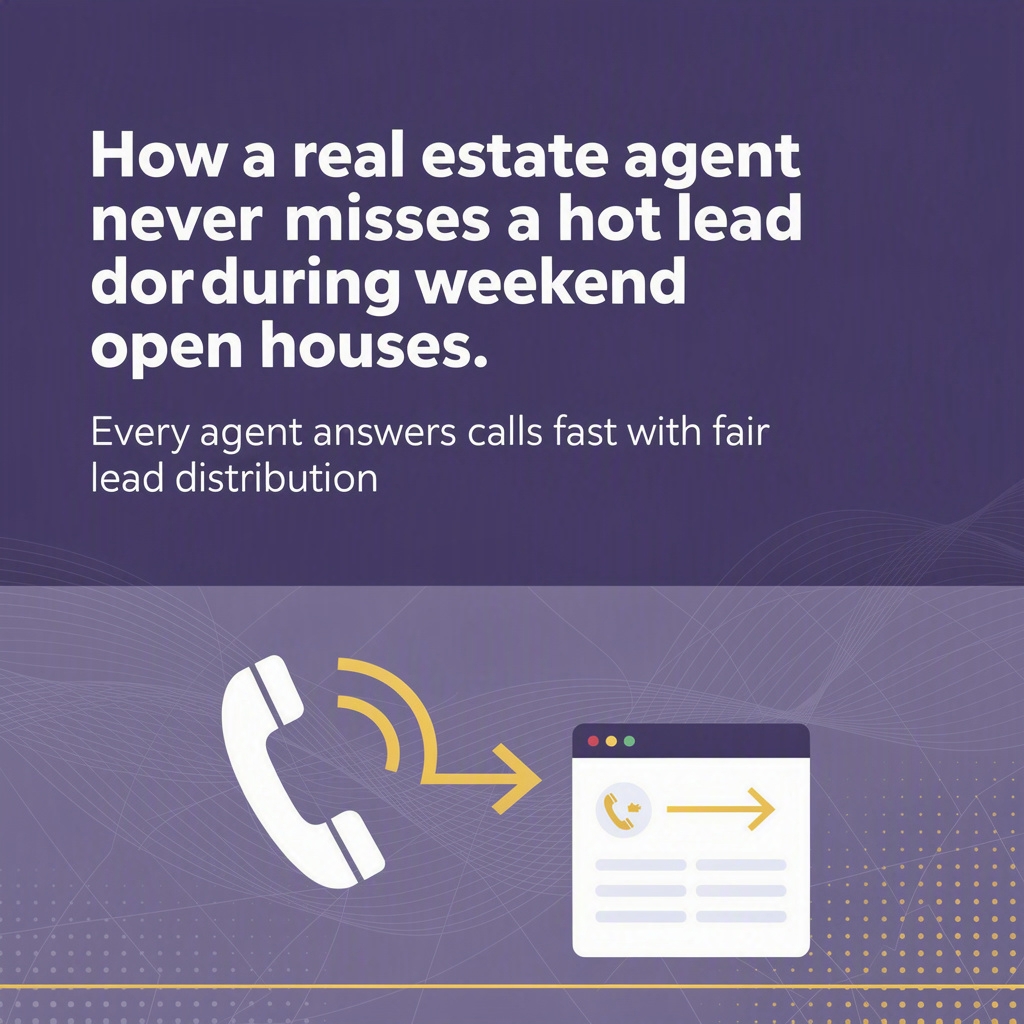
The Problem in Detail: Why Missed Calls Hinder Real Estate Success
- Lost leads: When multiple buyers call simultaneously, unanswered calls translate directly to lost prospects.
- Unequal workload: Some agents get overwhelmed with calls while others remain idle, creating team imbalance and frustration.
- Slow response times: Delayed callbacks reduce the chance that interested buyers will commit to a property, allowing competitors to intervene.
- Poor customer experience: Potential clients dislike waiting or being put on hold; lack of prompt attention damages your reputation.
- Reduced revenue: Every missed inquiry is a missed opportunity for commission, impacting the team’s bottom line.
A Clear Solution: Smarter Call Routing for Real Estate Leads
Implementing call routing for real estate leads ensures incoming calls are distributed evenly across available agents. Specifically, a round-robin routing system sends calls one-by-one through your team, guaranteeing no agent is overloaded while others miss out. This approach handles multiple simultaneous inquiries efficiently without confusing or frustrating callers.
With calls connecting instantly to the next available agent, buyers receive faster responses. Agents stay balanced and engaged, improving overall team productivity. It’s a straightforward enhancement — not a complicated overhaul — that aligns perfectly with how busy real estate professionals work during peak weekend hours.
Real-World Scenarios Where Call Routing Makes a Difference
- Small real estate team in Chicago: Weekend open houses generate dozens of buyer inquiries. After adopting round-robin call routing, each agent receives an equal share of calls, preventing missed leads even when three buyers call simultaneously.
- Residential property agency in Denver: During new housing developments launches, multiple potential buyers call enquiring about availability. Smart call distribution ensures every agent gets a fair shot at handling these hot leads, improving sales velocity.
- Luxury home broker in Miami: High-end clients expect swift, personalized responses. Implementing effective call routing allows the brokerage to answer calls promptly, setting the team apart from competitors and securing high-value deals.
Who Benefits Most from Call Routing for Real Estate Leads?
- Small real estate teams: Balances call volume among limited agents during busy periods.
- Property management companies: Handles tenant inquiries and maintenance requests efficiently.
- Real estate brokerages: Manages large volumes of client calls across multiple agents or offices.
- Mortgage consultants: Distributes loan application queries evenly to improve customer service.
- Vacation rental agencies: Answers prospective renter questions swiftly during peak seasons.
Practical Tips to Optimize Your Lead Management
- Choose a call routing system that integrates seamlessly with your existing phone setup to avoid disruption.
- Set clear availability schedules for your agents, so calls route only to those ready to take them.
- Train your team on the importance of rapid response and consistent follow-up for inbound inquiries.
- Monitor call distribution regularly to ensure leads are being handled fairly and no bottlenecks exist.
- Use caller insights and analytics to identify peak times and adjust resources appropriately.
How quickly can I set up call routing for my real estate team?
Setting up call routing can be done within a few hours to a couple of days, depending on your current phone system. Many cloud-based solutions offer easy onboarding with step-by-step guidance, allowing teams to start distributing calls evenly almost immediately.
Does call routing require new hardware?
Most modern call routing systems operate via cloud telephony and don’t require additional hardware. You can use existing phones or softphone apps on computers and mobile devices, which makes implementation more affordable and flexible.
How does round-robin call routing work exactly?
Round-robin routing sequentially passes each incoming call to the next available agent in a fixed order. This prevents some agents from being overwhelmed while others receive fewer calls, ensuring a balanced load and quicker responses overall.
Can call routing integrate with CRM or lead management tools?
Yes, many call routing services support integrations with popular CRMs and lead management platforms. This helps automatically log call activity, assign follow-ups, and provide deeper insights into team performance and lead engagement.
What if all agents are busy or unavailable?
Advanced call routing systems can queue calls until an agent becomes available or route calls to backup numbers such as mobile phones or voicemail. This ensures no call goes unanswered, improving customer experience even during peak demand.
Getting the Most from Your Real Estate Leads
Effective call routing for real estate leads keeps your team responsive and well-balanced, ensuring more inquiries turn into closed deals. By distributing calls evenly, agents can engage buyers faster, especially during critical moments like weekend open houses.
If you want to improve how your team manages incoming calls, consider exploring options that fit your current setup and workflows. Small changes to your call handling process can create meaningful increases in lead conversion and customer satisfaction.