Handling High Call Volume Without Missing Urgent Client Calls
For legal aid organizations and other mission-driven support teams, every incoming call can represent a client in urgent need of assistance. But when multiple calls flood the phone lines simultaneously, staff can easily become overwhelmed. This often results in missed calls, long hold times, and frustrated clients who may not get the help they need promptly.
Managing peak call times is a critical business challenge. If your team’s phones can’t keep up, important requests fall through the cracks — potentially delaying services that have real-world consequences for vulnerable populations. Finding a solution to handle numerous calls without losing track of anyone is essential to maintaining excellent service.
The Problem in Detail
- Missed calls during peak periods: Lines get busy quickly, so callers hear “all lines are busy” messages or are sent straight to voicemail.
- Delayed responses: Callback attempts increase workload and extend resolution times, frustrating clients with urgent needs.
- Uneven workload distribution: Some team members get overwhelmed while others remain underutilized, reducing overall efficiency.
- Decreased client satisfaction: Feeling unheard or delayed can erode trust and harm the organization’s reputation.
- Operational inefficiencies: Increased manual effort to track missed calls takes resources away from critical casework.
How Parallel Ringing Addresses High Call Volume Challenges
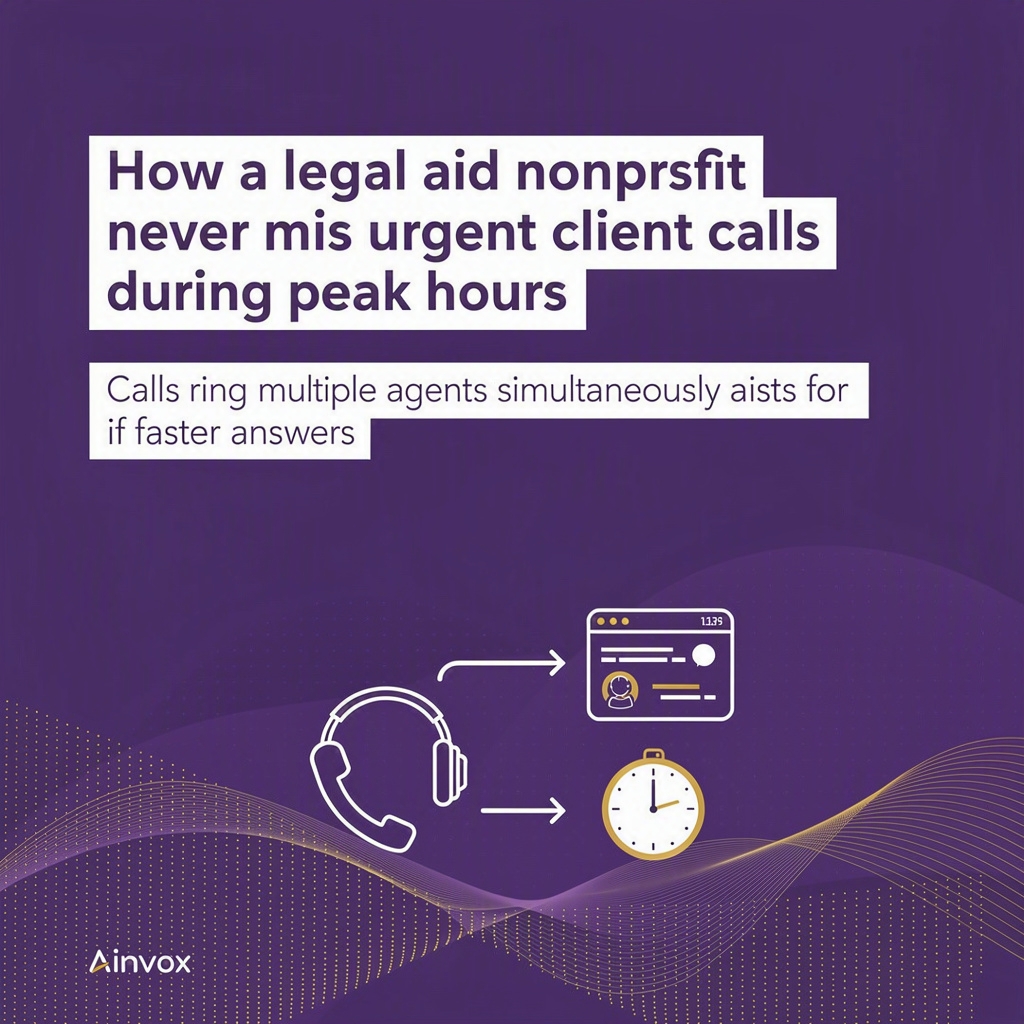
Parallel ringing is a call-handling method that rings multiple devices or agents simultaneously whenever an incoming call arrives. Instead of routing calls sequentially or leaving them waiting, the system broadcasts the incoming call to several team members at once. The first agent to answer takes the call, ensuring no time is wasted.
This approach eliminates the frustration of busy signals or missed chances. It distributes calls evenly across available staff, helping the team respond faster during peak demand periods. Clients feel valued because their calls are answered promptly, which is especially critical when dealing with sensitive or urgent matters.
Implementing parallel ringing requires minimal setup but delivers immediate improvements in call handling and client experience. By enabling every call to reach multiple team members simultaneously, no urgent inquiry slips through unnoticed.
Real-World Scenarios Where Parallel Ringing Makes a Difference
- Legal Aid Nonprofit During Crisis Hours: When multiple clients call simultaneously seeking emergency legal advice, parallel ringing ensures the first available lawyer or caseworker answers immediately, avoiding delays that could jeopardize client rights.
- Healthcare Appointment Centers: Clinics juggling numerous patient calls for appointment scheduling and inquiries use parallel ringing to prevent missed bookings, reducing no-shows and improving health outcomes.
- Technical Support Teams in Software Companies: During product launches or outages, support teams face sudden call spikes. Parallel ringing helps distribute calls to all available agents, shortening wait times and enhancing customer satisfaction.
Who Benefits from Parallel Ringing High Call Volume Solutions?
- Nonprofit Organizations: Critical for teams providing urgent client assistance where every call matters.
- Customer Support Centers: Ideal for brands with large user bases experiencing fluctuating call volumes.
- Healthcare Providers: Ensures patients reach support staff quickly, improving care coordination.
- Technical Helpdesks: Enables balanced call distribution during unpredictable demand peaks.
- Sales Teams: Helps capture every inbound lead, maximizing revenue opportunities.
Actionable Tips to Manage High Call Volumes Effectively
- Implement Parallel Ringing: Use cloud telephony solutions like Ainvox to set up parallel ringing with minimal disruption.
- Train Staff on Call Distribution: Encourage prompt pick-up etiquette to maximize benefits.
- Monitor Call Patterns: Analyze peak times and adjust staffing accordingly.
- Use Callback Features: Integrate options for clients to request callbacks if the team is temporarily overwhelmed.
- Keep Communication Channels Open: Supplement phone support with chat or email to balance load across platforms.
How quickly can parallel ringing be set up?
Most cloud-based telephony providers enable parallel ringing configuration within hours or days, depending on your existing phone system. Setup typically involves defining groups of agents to ring simultaneously and testing to ensure calls route correctly.
Does parallel ringing require special hardware?
No special hardware is usually needed. Solutions like Ainvox operate in the cloud and work with standard office phones, softphones, or mobile devices, making implementation flexible and cost-effective.
Can parallel ringing integrate with existing CRM or helpdesk software?
Yes. Many cloud telephony platforms offer integrations or APIs that connect call data with CRMs and helpdesk tools, providing valuable context and tracking for customer interactions.
Is parallel ringing suitable for all team sizes?
Yes. Whether you have a small team or a large contact center, parallel ringing can scale to fit your needs. It’s particularly beneficial when call volumes fluctuate dramatically during certain periods.
What pricing models are common for parallel ringing services?
Pricing often depends on factors like the number of users, call minutes, and additional features. Many providers offer subscription-based plans with transparent per-user rates and optional add-ons tailored to organizational needs.
Enhancing Client Support by Never Missing a Call
Handling high call volumes doesn’t have to mean sacrificing client experience or overburdening staff. Parallel ringing offers a straightforward and effective way to manage simultaneous calls, ensuring that urgent requests get immediate attention.
For legal aid nonprofits and any organization where every call counts, making this adjustment can improve responsiveness, reduce missed opportunities, and reinforce trust with clients. Consider evaluating your current phone system and explore options like Ainvox to optimize your team’s ability to stay connected when it matters most.